
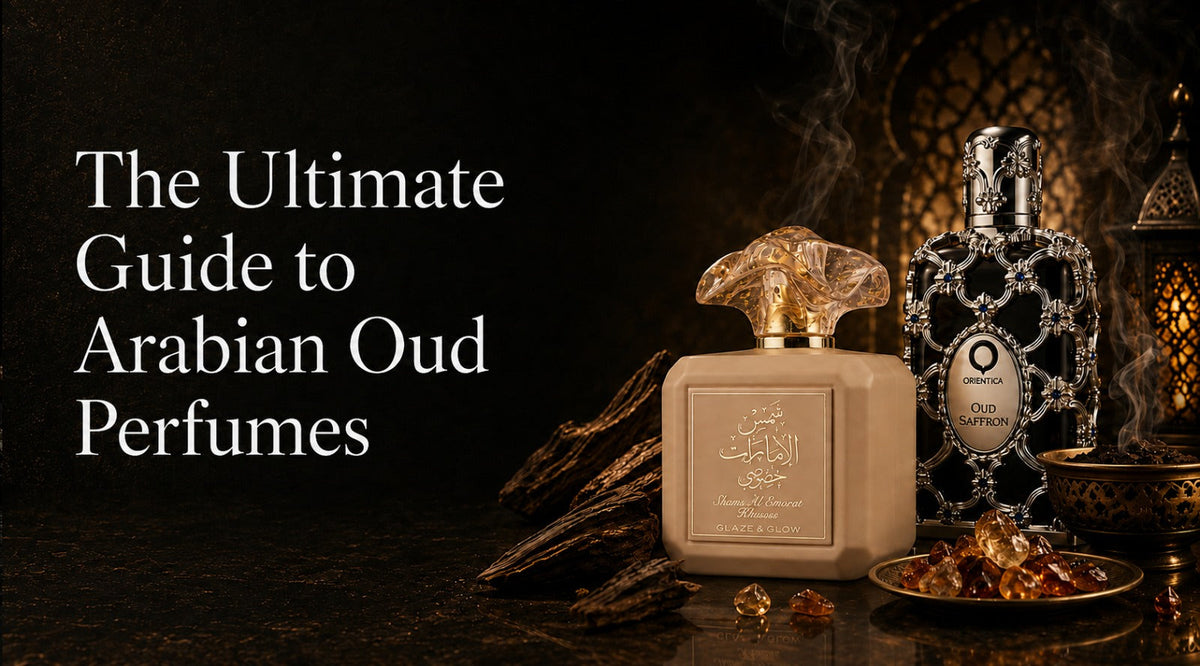
Oud is one of the most prized ingredients in perfumery, and understanding it is really the starting point for understanding Arabian oud perfume as a whole. Extracted from the resin of the agarwood tree after it's been infected by a specific mold, oud is rare, labor-intensive to produce, and carries a deep, smoky, almost animalic scent that's unlike anything else in Western perfumery. That rarity is exactly why an authentic Arabian oud perfume can command such a premium you're not just buying a fragrance, you're buying centuries of tradition distilled into a bottle.
This guide is meant to walk you through what actually makes Arabian perfume distinct, how to navigate the different formats and concentrations you'll come across, and which brands are worth paying attention to if you're just getting started. Whether you're completely new to the category or already have a few bottles on your shelf, there's a lot more nuance here than most Western fragrance guides ever cover.
What Makes Arabian Perfume Unique
Unlike a lot of mainstream Western colognes, which lean on citrus and aquatic notes designed to fade politely after a few hours, Arabian perfume is built to last and to be noticed. The tradition draws on ingredients like oud, musk, amber, saffron, and rose, layered together into compositions that are warm, resinous, and often quite intense compared to what you'd find at a typical department store counter.
Part of what sets this category apart is the format. Alongside standard eau de parfum sprays, you'll frequently come across attars (concentrated oil perfumes) and bakhoor (scented wood chips burned for incense), both of which are deeply rooted in Middle Eastern hospitality and daily ritual rather than being a purely Western-style "spray and go" experience.
Ard Al Zaafaran: A Brand Worth Knowing
If you're building out your first Arabian oud perfume collection, Ard Al Zaafaran is a name you'll run into quickly. Founded in Dubai, the brand takes its name from the Arabic phrase for "Land of Saffron," and it's built its reputation on making traditional Emirati perfumery more accessible without cutting corners on quality. Popular releases like Oud 24 Hours and Midnight Oud lean into rich, resinous oud paired with musk, sandalwood, and rose, while lighter options like Dirham offer a sweeter, more everyday-friendly profile.
What makes Ard Al Zaafaran a good entry point is balance: the fragrances are genuinely long-lasting and well-composed, but priced well below a lot of the older, more established Arabian houses, which makes it easier to explore the category without a huge upfront investment.
Using This Oud Fragrance Guide to Choose Your First Bottle
If you're new to the category, this oud fragrance guide comes down to one simple piece of advice: start lighter and work your way up. A pure oud attar can be genuinely intense for someone used to mainstream Western colognes, so it often makes sense to begin with a blended eau de parfum that pairs oud with something more familiar, like rose or amber, before moving into heavier, more concentrated formats.
Pay attention to concentration levels too. Attars are the most concentrated and long-lasting, often requiring just a dab rather than a full spray, while eau de parfum sprays offer a lighter, more everyday-wearable version of the same notes. Knowing the difference before you buy will save you from either underwhelming results or an overpowering first impression.
Arabic Perfume Traditions Worth Knowing
Arabic perfume culture goes well beyond the bottle itself. Layering combining an oil-based attar with a bakhoor-scented outfit, for example, is a common practice meant to build a more complex, personal scent signature rather than relying on a single fragrance alone. Gifting perfume is also a deeply rooted tradition in Middle Eastern hospitality, which is part of why so many Arabic perfume houses put real care into packaging and presentation.
Understanding these traditions doesn't just make you a more informed shopper, it also explains why the fragrances themselves are built the way they are: layered, generous, and meant to leave a lasting impression rather than fade into the background.
Ready to start exploring? Shop Arabian oud perfume collections now at Flair Perfumes!

